There's nothing quite as frustrating as being in the middle of an important task or a relaxing stream, only for your Chromebook to suddenly drop its Wi-Fi connection. It's a common issue that can interrupt your flow and leave you wondering if your device is glitching or if your internet is failing. The good news is, most Wi-Fi disconnection problems on Chromebooks are solvable, often without needing a technician.
We understand how disruptive this can be, which is why we've put together this comprehensive guide. We'll walk you through the most common reasons why your Chromebook keeps disconnecting from Wi-Fi and provide a clear path to troubleshooting, from simple adjustments to more advanced fixes. Let's get your Chromebook back online and keep it there.
The Root of the Problem: Why Your Chromebook Drops Wi-Fi
Your Chromebook's Wi-Fi connection is a delicate balance of software, hardware, and environmental factors. When this balance is disturbed, disconnections can occur. Causes range from a weak signal or outdated software to router issues or even interference from other devices in your home. Pinpointing the exact cause is the first step toward a lasting solution.
Don't panic if your internet seems to be constantly failing; often, the fix is simpler than you think. To effectively address these frustrating drops, you'll need to systematically check various potential problem areas. If you're ready to dive deep into diagnosing those elusive connection issues, our dedicated guide can help you Start troubleshooting effectively Uncover root causes.
Starting Simple: Quick Fixes for Immediate Relief
Before delving into complex diagnostics, let's cover some basic troubleshooting steps that often resolve temporary glitches. These quick actions can clear up minor software bugs or signal hiccups, getting you back online in minutes. Always start here when your Chromebook's Wi-Fi is acting up.
- Restart Your Chromebook: A simple reboot can often clear temporary software conflicts or memory issues that might be affecting your Wi-Fi adapter.
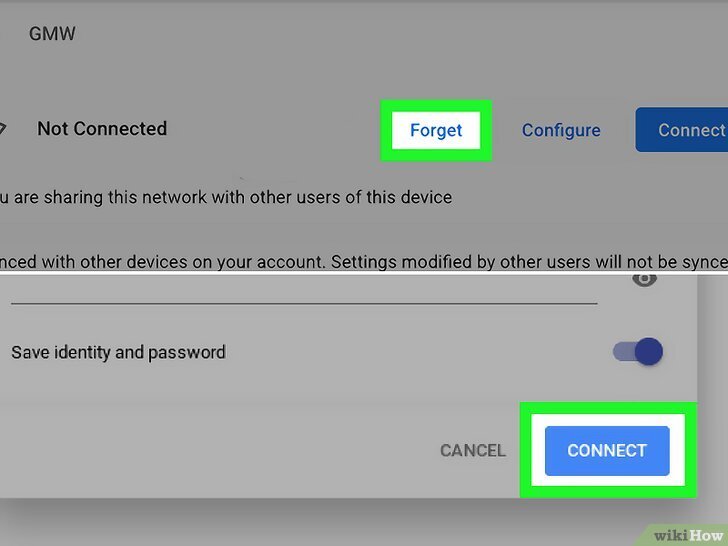
- Forget and Reconnect to Wi-Fi: Go to your Chromebook's Wi-Fi settings, select your network, and choose "Forget." Then, search for it again and reconnect, re-entering the password. This refreshes the connection profile and can fix corrupted network settings.
- Move Closer to the Router: Physical distance and obstacles are major signal killers. Reduce the distance between your Chromebook and the router, removing any thick walls or large furniture if possible, to improve signal strength.
Fine-Tuning Your Chromebook: Software & Settings Solutions
Many Wi-Fi disconnection problems stem from your Chromebook's internal settings or software. Power-saving features, outdated Chrome OS versions, or even certain apps can inadvertently interrupt your connection. By adjusting these, you can often restore stability and prevent future drops.
Understanding how your Chromebook interacts with the network is crucial for a stable connection. There are specific settings within Chrome OS that, when tweaked, can significantly improve Wi-Fi reliability. For a comprehensive guide on navigating these options and implementing fixes, you'll want to Explore Chromebook settings & solutions.
Optimizing Your Chromebook's Connection Settings
Take a moment to review these crucial settings on your device, as they can directly impact your Wi-Fi's reliability. Each adjustment is designed to give your Chromebook the best possible chance at maintaining a steady connection.
- Adjust Power-Saving Settings: Chromebooks might turn off Wi-Fi in sleep mode to conserve battery. In Settings > Advanced > Privacy and Security, ensure "Keep Wi-Fi on during sleep" is enabled to prevent drops when the screen goes dark.
- Turn Off Bluetooth: Bluetooth devices, especially those operating on the 2.4 GHz frequency band, can interfere with your Wi-Fi signal. If you're experiencing drops, try disabling Bluetooth temporarily to see if connectivity improves.
- Update Chrome OS: Google regularly releases updates that include bug fixes and performance improvements. Make sure your Chromebook is running the latest version by going to Settings > About Chrome OS > Check for updates. A recent bug fix might be waiting to solve your issue.
- Disable VPNs/Proxies: Virtual Private Networks (VPNs) or proxy servers can sometimes interfere with network stability or restrict certain connections. Test your Wi-Fi without these services enabled to rule them out as a cause.
- Mark Network as Preferred: Ensure your Chromebook prioritizes and automatically connects to your primary Wi-Fi network. This can be found in the Wi-Fi settings for your specific network.
- Set a Static IP Address: If your router is constantly reassigning IP addresses or experiencing conflicts, setting a static IP address for your Chromebook in its Wi-Fi settings can often provide a more stable connection.
Your Home Network: Router & Configuration Deep Dive
Sometimes, the issue isn't with your Chromebook at all, but rather with your Wi-Fi router or home network configuration. An outdated router, crowded Wi-Fi channels, or even too many devices vying for bandwidth can all lead to intermittent disconnections. Addressing these aspects of your network is key to ensuring a robust and reliable connection for all your devices, including your Chromebook.
A healthy router is the backbone of your home network, and understanding its settings can make a huge difference. To get a handle on how to optimize your network infrastructure for better Chromebook performance, we recommend exploring our guide dedicated to Wi-Fi Router & Network Configuration.
Strengthening Your Wi-Fi Signal at the Source
Optimizing your router's performance involves more than just plugging it in. Regular maintenance and strategic adjustments can significantly enhance its stability and reach.
- Update Router Firmware: Just like your Chromebook, your router runs on software (firmware) that needs to be updated. Check your router manufacturer's website for the latest firmware to improve compatibility, security, and stability.
- Change Wi-Fi Channel: Wi-Fi networks operate on specific channels. If your neighbors are using the same channel, it can cause congestion and interference. Access your router's settings and switch to a less crowded channel (e.g., 1, 6, or 11) for better performance.
- Check for IP Address Conflicts: If multiple devices on your network are trying to use the same IP address, it can cause intermittent disconnections. Your router's settings usually have a section to view connected devices and their IP addresses, helping you identify and resolve conflicts.
Beyond the Devices: Environmental Factors & Signal Interference
Even with a perfectly configured Chromebook and an optimized router, external environmental factors can still play a significant role in Wi-Fi disconnections. Physical barriers like walls, floors, or even furniture can absorb or reflect Wi-Fi signals, while other electronics can cause interference. Understanding these external influences is crucial for creating a robust wireless environment.
Your physical surroundings directly impact the quality of your Wi-Fi signal. Knowing how to identify and mitigate these environmental challenges is essential for a stable connection. To learn more about how your home environment impacts your Wi-Fi and what you can do about it, check out our guide on how to Understand environmental signal issues.
Identifying and Minimizing External Obstacles
A strong Wi-Fi signal is often about minimizing obstructions and maximizing clear pathways. A few simple adjustments to your environment can make a world of difference.
- Physical Obstructions: Thick walls, metal objects, aquariums, and large appliances can block or degrade your Wi-Fi signal. Try to position your router in a central location, away from such barriers, and keep your Chromebook within a clear line of sight when possible.
- Electronic Interference: Microwaves, cordless phones, baby monitors, and even fluorescent lights can operate on similar frequencies to Wi-Fi (especially 2.4 GHz), causing interference. Keep these devices away from your router and Chromebook, or consider upgrading to a 5 GHz Wi-Fi network if your devices support it.
- Neighboring Wi-Fi Networks: In densely populated areas, your neighbors' Wi-Fi networks can overcrowd channels, leading to slower speeds and disconnections. Using a Wi-Fi analyzer tool can help you identify less congested channels, as mentioned earlier.
When All Else Fails: Advanced Diagnostics & Hardware Checks
If you've exhausted all the above options and your Chromebook is still relentlessly disconnecting, it might be time to delve into more advanced diagnostics or consider potential hardware issues. These steps are typically last resorts, but they can uncover deeper problems that simpler troubleshooting can't address. This is also where you might identify if a professional repair or external hardware solution is necessary.
When basic fixes aren't cutting it, it's time to pull out the bigger tools. For comprehensive instructions on conducting deeper system checks and understanding when to consider hardware solutions, our guide on Explore advanced system diagnostics Master hardware offers the detailed insights you'll need.
Last Resort Solutions and Professional Help
Sometimes, a complete refresh or external assistance is the only way to get a stable connection back. Don't be afraid to consider these options if you're at your wit's end.
- Use a Wi-Fi Analyzer Tool: Install a Wi-Fi analyzer app from the Chrome Web Store. These tools can help you visualize network strength, identify congested channels, and pinpoint interference sources, guiding you to make more informed router adjustments.
- Reset Network Settings / Factory Reset (Powerwash): As a last resort, you can reset your Chromebook's network settings. If that doesn't work, a full factory reset (Powerwash) will return your Chromebook to its original state, often resolving deep-seated software issues. Remember to back up your data first!
- Consider a USB Wi-Fi Adapter: If you suspect a faulty internal Wi-Fi card, a relatively inexpensive USB Wi-Fi adapter can provide an alternative connection. This allows you to bypass the potentially broken internal hardware and restore connectivity.
- Hardware Issues: If none of the software or network fixes work, your Chromebook might have a faulty Wi-Fi card or antenna. This often requires professional repair or replacement. Contact your Chromebook's manufacturer support or a certified repair technician.
By systematically working through these solutions, you should be able to diagnose and fix why your Chromebook keeps disconnecting from Wi-Fi. Remember that patience and a methodical approach are your best tools in troubleshooting. You've got this!