When your PC starts acting up – sluggish performance, sudden crashes, or hardware that just won't cooperate – the usual "turn it off and on again" trick often falls short. These aren't just minor glitches; they're often cries for help from deep within your system. Diving into Advanced System & Hardware Diagnostics is how you move past guesswork and pinpoint the precise problem, saving you time, frustration, and potentially costly repairs. It’s about becoming your own tech detective, armed with tools that reveal the hidden truths of your computer's health.
At a Glance: Decoding Your PC's Distress Signals
- Beyond Basic Troubleshooting: Advanced diagnostics go deeper than simple restarts or software fixes to uncover hardware and fundamental system issues.
- HP's Dedicated Arsenal: HP provides a suite of tools (Windows, UEFI, Docks/Displays, USB Key) specifically designed to test their hardware, even when your operating system won't boot.
- Windows' Built-in Insight: The MSINFO32 tool offers a wealth of real-time system information, helping you identify conflicts, missing drivers, and hardware anomalies without installing new software.
- UEFI: Your Hardware's Independent Witness: Diagnostic tools run in the UEFI environment are crucial for isolating hardware problems from software glitches, especially when your PC won't start.
- The Goal: Empowering you to accurately identify root causes, troubleshoot effectively, and communicate clearly with support or repair professionals.
Beyond the Restart: Why Advanced Diagnostics Matter
We've all been there: staring at a frozen screen, listening to a fan whirring unusually loudly, or dealing with an external device that just won't connect. Your first instinct is probably a reboot, maybe a quick driver update. But what happens when those simple fixes fail? That's when you know the problem runs deeper than a temporary software hiccup.
Advanced System & Hardware Diagnostics isn't just for IT pros or the technically inclined; it's an essential skill for anyone who relies heavily on their computer. It's about equipping yourself with the knowledge and tools to understand why your system is failing, rather than just observing that it's failing. This proactive approach can differentiate between a minor component replacement and a complete system overhaul, often saving you significant time and money.
Your Essential Toolkit: HP PC Hardware Diagnostics
For HP users, a dedicated suite of diagnostic tools provides a robust first line of defense against hardware maladies. These aren't generic utilities; they're engineered to work seamlessly with HP's specific components, offering tailored insights and often providing more actionable results than universal troubleshooters.
The HP Ecosystem Explained
HP designs its hardware and software to work in concert, making its proprietary diagnostic tools particularly effective. They're often pre-installed, easy to access, and provide granular details about the health of your HP machine. Knowing which tool to use and when is key to efficient troubleshooting.
HP PC Hardware Diagnostics Windows: Your Everyday Troubleshooter
This is likely the most accessible tool for many HP users. Pre-installed on newer HP computers and readily downloadable, it runs directly within Windows (versions 10 and 11 are supported by v3.0.0.0; older OS have v1.8.1.0). Think of it as your PC's internal health checkup, capable of:
- Driver Checks and Updates: It can identify outdated or missing drivers for select components and even facilitate updates.
- Hardware Tests: From memory to storage, CPU to graphics, it can run specific tests to verify the functionality of various hardware components.
- Quick Failure Diagnosis: When something isn't right, it aims to quickly point you towards the failing part, simplifying the diagnostic process.
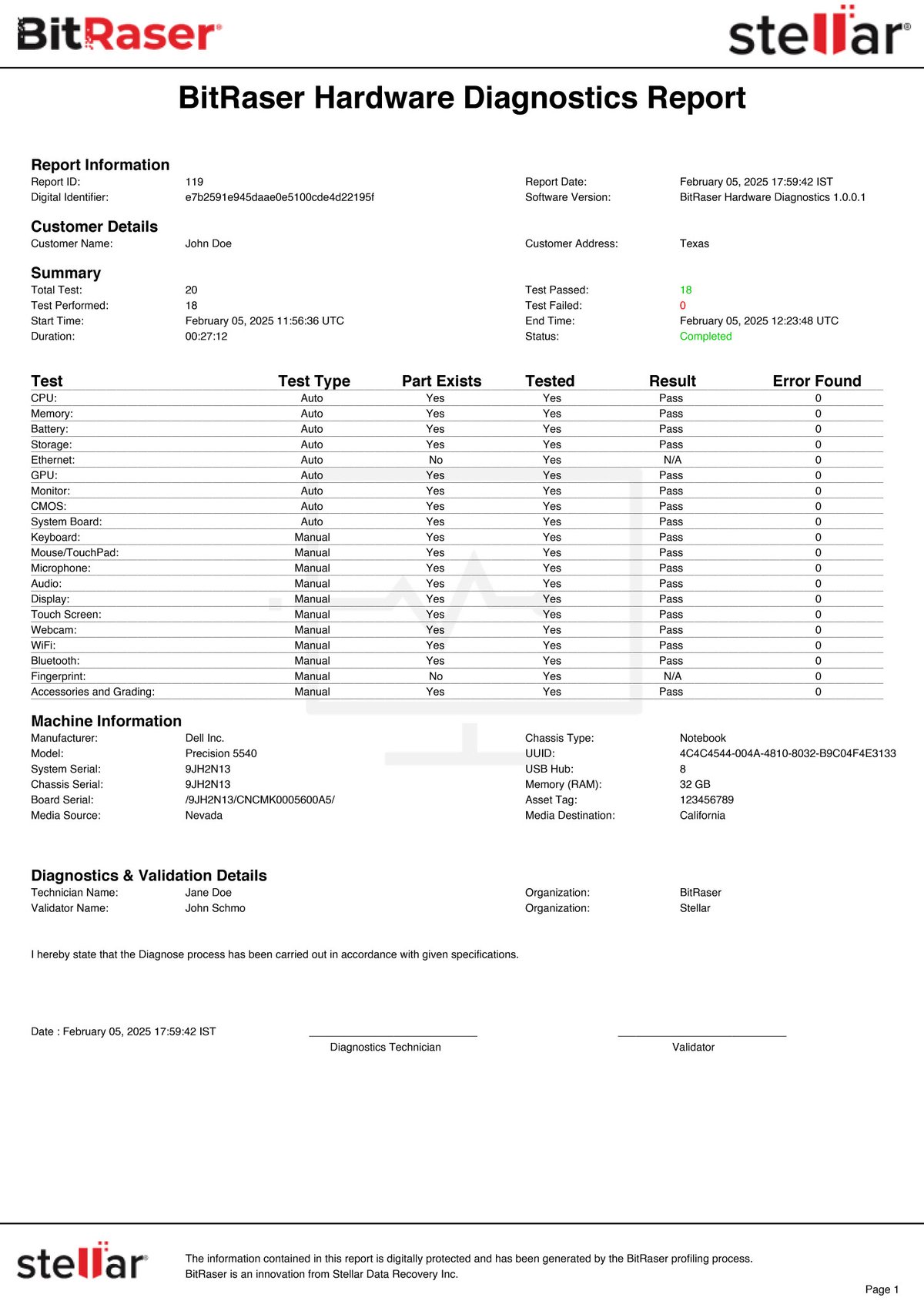
- Streamlined Support: The detailed reports generated by the tool can be invaluable when you need to contact HP support, providing them with concrete data about your issue.
- Avoiding Unnecessary Returns: By identifying solvable issues, it helps prevent the hassle of returning a perfectly functional PC or one with an easily fixable problem.
This tool is your go-to for issues that arise while Windows is still operational, helping you check everything from your RAM to your webcam without ever leaving the operating system.
HP PC Hardware Diagnostics UEFI: The OS Bypass
Now, what if your computer won't even boot into Windows? That's where the HP PC Hardware Diagnostics UEFI (Unified Extensible Firmware Interface) tool shines. Unlike its Windows counterpart, this comprehensive set of tests (currently v10.8.4.0) executes outside the operating system.
Why is this critical? Because it allows you to isolate hardware failures from OS/software issues. If the UEFI diagnostics pass, you know your core hardware is likely sound, and the problem probably lies within Windows or your installed applications. If it fails, you've narrowed down the culprit to a specific hardware component, even if your screen is black. This independence makes it an indispensable tool for severe boot problems, system crashes, or when you suspect a fundamental hardware defect.
Specialized HP Tools for Specific Scenarios
Beyond the core Windows and UEFI diagnostics, HP offers even more specialized tools for particular needs:
- HP PC Docks and Displays Diagnostics Windows: In our increasingly connected world, peripherals like docking stations and external displays are crucial. This Windows-based tool (v4.0.0.0) is designed to diagnose issues with your HP dock and display hardware directly connected to your PC, ensuring your extended workspace functions flawlessly.
- Remote PC Hardware Diagnostics UEFI: For IT professionals and businesses managing a fleet of HP machines, this tool (v10.8.4.0) offers a powerful advantage. It can be configured to remotely download and execute the HP PC Hardware Diagnostics UEFI and then optionally upload diagnostic logs via an F10 setup. This is a game-changer for large deployments, enabling efficient troubleshooting without needing physical access to every machine. Note that it's available only on select business products.
- HP PC Hardware Diagnostics 4-IN-1 USB KEY: This is the ultimate toolkit for HP authorized service partners and IT professionals. The USB key (v6.8.0.0) bundles HP PC Hardware Diagnostics Windows, HP PC Hardware Diagnostics UEFI, and HP PC Docks and Displays Diagnostics Windows, along with files supporting BIOS recovery on supported systems. It's designed for diagnosing issues in mixed environments of older and newer HP/Compaq PCs, providing a portable, comprehensive solution for advanced repairs and maintenance.
Unlocking Windows' Built-In Detective: MSINFO32
Even if you don't own an HP machine, or if you want to perform a quick, yet thorough, system check without installing new software, Windows provides a powerful built-in utility: System Information (MSINFO32). This often-overlooked tool is a goldmine for analyzing your PC's hardware, drivers, and configuration.
MSINFO32: Your System Information Hub
MSINFO32 (available in Windows 10 and 11) is more than just a list of specs; it's a real-time diagnostic hub. It simplifies system diagnostics by providing:
- Comprehensive Data: Detailed insights into your OS, processor, BIOS, memory, storage, display, network, and more.
- Conflict Detection: Helps identify resource conflicts or driver mismatches that can lead to instability.
- No Installation Required: It's built right into Windows, making it instantly accessible.
- Exportable Reports: You can generate reports to share with support technicians or for your own records.
It’s important to understand what MSINFO32 isn't designed for. It won't perform real-time performance testing – for that, you'd turn to tools like Performance Monitor or Task Manager. It also differs from Device Manager; while Device Manager focuses on listing installed hardware and their drivers, MSINFO32 provides a much broader, aggregated view of all system components and their intricate relationships.
Step-by-Step: Performing System Diagnostics with MSINFO32
Using MSINFO32 is straightforward. Here's how to leverage it for effective system diagnostics:
1. Open the Tool
The quickest way to launch MSINFO32 is through the Run dialog:
- Press the
Windows key + Rto open the Run dialog. - Type
msinfo32and pressEnter.
The System Information window will appear, compiling a vast amount of data about your PC.
2. Check Overall System Health
Start with a high-level overview to spot any immediate red flags:
- In the left pane, select "System Summary."
- Review key information like your OS version, System Model, Processor, BIOS mode, and Installed Physical Memory.
- Look for any missing values, "unknown" entries, or discrepancies. These can be early indicators of hardware problems or firmware issues. For instance, if your system reports significantly less RAM than you know is installed, it could suggest a failing memory module.
3. Detect Hardware Conflicts
Hardware conflicts, where two devices try to use the same system resources, are notorious for causing instability:
- Expand "Hardware Resources" on the left panel.
- Click "Conflicts/Sharing." This section lists components that are sharing I/O addresses, IRQs, DMA channels, or memory addresses.
- Review "DMA," "Forced Hardware," or "Memory" for any overlapping resource usage. While modern Windows is good at managing resources, persistent conflicts can indicate driver problems or faulty hardware. If you see two critical components vying for the same IRQ, it's a clear signal to investigate driver updates or, in rare cases, hardware relocation (if feasible for expansion cards).
4. Inspect Memory and Storage Devices
Memory and storage are frequent points of failure and slowdown:
- Under "Components," expand "Storage" and select "Disks." Check for all expected drives, their correct capacity, and file system. A missing drive or incorrect reported size could point to a failing drive or connection issue.
- Open "Memory" under "Hardware Resources" to confirm that all detected RAM modules are present and correctly recognized. Unrecognized entries or entries with zero values are strong indicators of failing memory sticks that need further testing or replacement.
5. Troubleshoot Display and Graphics Issues
Graphics problems can range from minor glitches to a completely blank screen:
- Expand "Components > Display."
- Verify the Adapter Name, Driver Version, and Resolution. A common red flag here is if "Microsoft Basic Display Adapter" appears instead of your dedicated GPU (e.g., NVIDIA GeForce or AMD Radeon). This usually means your actual graphics driver is missing, corrupt, or incompatible. Your immediate next step would be to reinstall or update the correct GPU driver via Device Manager.
6. Check Network and Sound Diagnostics
Connectivity and audio are vital for most PC users:
- Expand "Components > Network > Adapter" to check each network device’s Status. Ensure entries show "OK." Any "Error" or "Not Available" statuses suggest driver issues or hardware failure, potentially impacting your internet connection or local network access.
- Open "Components > Sound Device" to inspect your audio hardware and drivers. If no sound device appears or if the status is not "OK," reinstalling or updating your audio driver is a good first step.
7. Export a Diagnostic Report
For deeper analysis or when seeking professional help, an exportable report is invaluable:
- In the menu bar, click "File > Export," choose a file name and location, then click "Save." This creates a text file containing all the gathered information.
- Optionally, select "File > Save" to generate a full
.NFOfile, which can be opened later by MSINFO32 itself for an interactive view. - These reports are excellent for tracking system changes over time or for providing comprehensive details to technical support without manually listing every component.
What to Do When MSINFO32 Flags an Issue: If you find entries showing "Error" or "Not Available," or any unexpected values, don't panic. Start by restarting your PC. Then, check for driver updates through Windows Update or the device manufacturer's website. For physical components, consider reseating or reconnecting them. If errors persist, dedicated hardware testing (like HP's UEFI diagnostics or a memory test tool) should be your next step.
Beyond the Tools: Best Practices for Advanced Diagnostics
Having the right tools is only half the battle. How you use them, and your overall approach to troubleshooting, significantly impacts your success. Here are some seasoned tips for navigating the world of advanced diagnostics:
Document Everything
When your PC is acting up, it's easy to jump from one potential fix to another. But without a clear record, you'll quickly lose track. Before you even start running diagnostics, jot down:
- The exact symptoms: What happens, when does it happen, are there any error messages?
- What you've already tried: List every step, even a simple reboot.
- Any recent changes: New software, hardware, updates, or even physical bumps.
As you run diagnostics, take screenshots, note down error codes, and save reports. This documentation is your best friend when troubleshooting complex issues and crucial if you need to escalate to professional support.
Isolate the Problem
This is troubleshooting 101: change one thing at a time. If you make multiple changes simultaneously, and the problem goes away, you won't know which action solved it. If the problem persists, you won't know which changes to revert. Whether you're updating a driver, reseating RAM, or disconnecting peripherals, do it methodically.
Start Simple, Go Deeper
Don't jump straight to advanced UEFI diagnostics if a simple driver update might suffice. Always begin with the least intrusive and most straightforward checks:
- Basic Checks: Is everything plugged in? Is the power supply working? Are cables secure?
- Software Layer: Check for recent updates, run antivirus scans, look at Task Manager for resource hogs.
- Windows-level Diagnostics: Use MSINFO32, Event Viewer, or Device Manager.
- Hardware Diagnostics: Employ HP's Windows or UEFI tools for targeted hardware testing.
Stay Updated
Outdated drivers, operating system builds, or even firmware can introduce bugs and compatibility issues that mimic hardware failures. Regularly check for and install:
- Windows Updates: These often include driver updates and security patches.
- Graphics Drivers: From NVIDIA, AMD, or Intel's website directly.
- Motherboard/BIOS Firmware: Check your PC manufacturer's support site. This can resolve underlying hardware compatibility issues and improve system stability.
- Peripheral Drivers: Keyboards, mice, webcams, printers, etc.
Keeping your system current can proactively prevent a host of problems. Speaking of connectivity issues, sometimes seemingly complex problems can have surprisingly simple solutions, much like understanding why your Chromebook might be disconnecting from WiFi – often a matter of settings or environment, not deep hardware flaws.
The Power of Observation
Your senses are powerful diagnostic tools. Don't ignore them:
- Listen: Are there new beeps (BIOS error codes), grinding noises from a hard drive, or unusually loud fan activity?
- Look: Are there any bulging capacitors on the motherboard, strange lights on components, or a lack of activity from a fan?
- Smell: A burning electronics smell is an immediate red flag – power down immediately.
- Feel: Is a component unusually hot to the touch (after powering down safely, of course)?
These subtle cues can often point directly to a failing component long before any software diagnostic tool flags an error.
Common Diagnostic Misconceptions & Clarifications
Many users hold beliefs that can hinder effective troubleshooting. Let's clear up some common misconceptions.
"My PC is old, so it's just slow – nothing I can do."
Clarification: While age can contribute to slower performance, "slow" isn't a diagnosis. Often, a specific component is failing, or software bloat is dragging it down. An older PC with a failing hard drive, for example, will feel incredibly sluggish. Diagnostics can pinpoint if it's indeed an aging component (like a dying HDD) or if a simple upgrade (like adding an SSD or more RAM) could give it a new lease on life.
"I just need to reinstall Windows to fix everything."
Clarification: Reinstalling Windows can fix a lot of software-related issues, but it's a drastic step and completely ineffective if the root cause is hardware failure. Imagine rebuilding a house to fix a leaky faucet – sometimes it's overkill, sometimes it misses the point entirely. Advanced diagnostics ensure you're addressing the actual problem, not just paving over symptoms.
"Diagnostics are only for experts; I'll just break something."
Clarification: Modern diagnostic tools, especially those provided by HP or built into Windows like MSINFO32, are designed with user-friendliness in mind. They are largely non-invasive; they read information or run tests without modifying your system's core configuration. The goal is to provide information, not to allow you to make dangerous changes. Understanding the reports can be empowering, not intimidating.
"An error message tells me exactly what's wrong."
Clarification: Error messages are great clues, but rarely the full story. A "Disk Read Error" doesn't specify if it's the drive itself, the cable, the controller, or even a corrupted boot sector. Diagnostics help you explore the context of that error message, running tests to narrow down the actual point of failure.
Your Next Steps: Taking Control of Your PC's Health
Mastering Advanced System & Hardware Diagnostics transforms you from a passive computer user into an informed problem-solver. No longer will you be paralyzed by a frozen screen or a cryptic error code. Instead, you'll have a clear path to understanding, diagnosing, and often resolving your PC's ailments.
Start by familiarizing yourself with MSINFO32 in Windows, exploring the wealth of information it offers. If you're an HP user, make it a point to locate and understand how to run the HP PC Hardware Diagnostics in both Windows and UEFI environments. Practice the steps, even when your PC is running perfectly, so you're ready when a real issue arises.
Remember that proactive diagnostics and regular system health checks are your best defense against unexpected breakdowns. By taking control of your PC's health, you extend its lifespan, improve its reliability, and ensure your digital life remains uninterrupted. And when a problem does arise that's beyond your comfort zone, you'll have a detailed diagnostic report in hand, making interactions with repair technicians far more efficient and effective. Your PC is an essential tool; learning its language is one of the smartest investments you can make.